
How the November Time Change Impacts Refrigerated Trucking and the Cold Chain
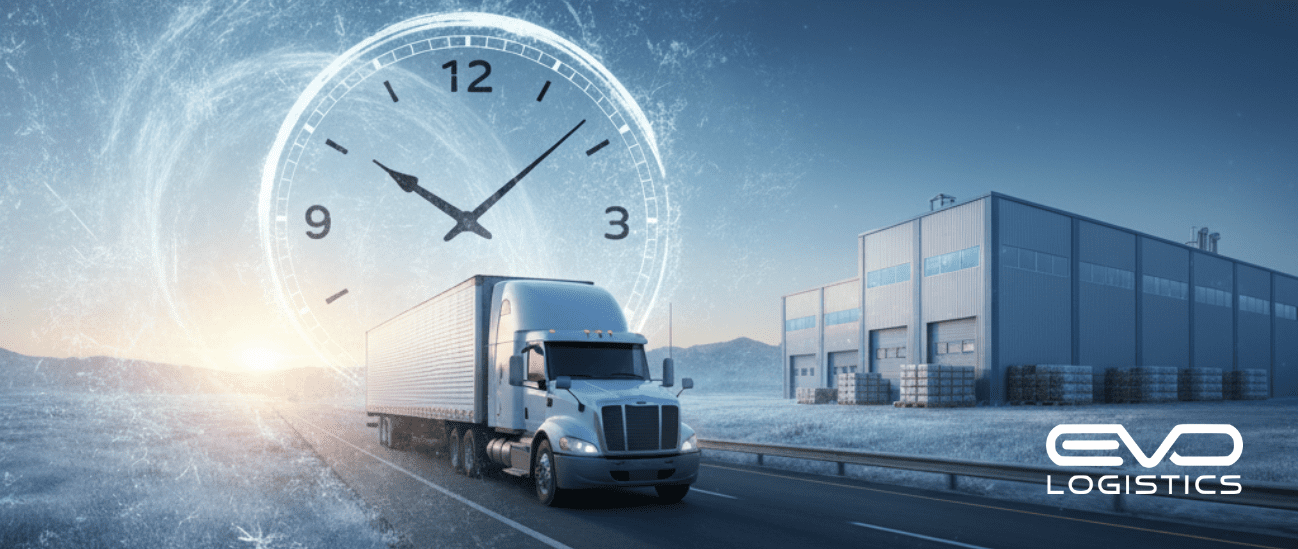
Shorter Days, Longer Nights: How November Time Change Impacts Trucking and the Cold Chain
In the U.S. logistics landscape, November is a turning point. When Daylight Saving Time ends, the shift to shorter days and longer nights brings operational changes that significantly impact refrigerated trucking and the cold chain.
What may seem like a simple clock adjustment has deep effects on delivery windows, route planning, safety, and temperature-control compliance.
1.Reduced Daylight: A Direct Operational Challenge
1.1 Tighter delivery windows
With daylight ending earlier:
- Receiving hours often tighten
- Drivers face increased congestion in morning and early afternoon windows
- Daytime appointments become more competitive
This directly affects industries dependent on temperature stability such as:
- Produce
- Meat and dairy
- Frozen foods
- Pharmaceuticals
- Floral and seasonal perishables
1.2 Route planning becomes more complex
Reduced daylight increases reliance on:
- Traffic prediction tools
- Weather-based routing
- Load prioritization for daytime delivery
Carriers must strategically schedule their fleet to maximize daylight efficiency.
2.Safety Risks Increase During November
Traffic data across the U.S. shows a spike in accidents during the two weeks following the time change.
2.1 Reduced visibility raises operational risk
Nighttime driving increases risks such as:
- Slower hazard detection
- Higher braking distances
- Poorly lit loading areas
- Complications in backing and docking
To mitigate this, fleets must enhance:
- Lighting and reflector inspections
- Night visibility systems
- Brake checks before nighttime segments
2.2 Driver fatigue becomes a major factor
The circadian disruption triggered by the time shift can cause:
- Decreased alertness
- Microsleep episodes
- Reduced reaction times
Fatigue management is essential, requiring strict scheduling, rest enforcement, and wellness monitoring.
3.Direct Impacts on Cold Chain Integrity
November is peak season for temperature-controlled logistics due to holiday demand.
3.1 Higher pressure on thermal stability
Delays caused by reduced daylight can result in:
- Longer door-open intervals
- Wait time at cold storage facilities
- Nighttime unloading at temperature-unstable docks
- Increased risk of temperature deviation in reefer units
3.2 Monitoring tools become indispensable
To maintain cold chain integrity, tech systems must work flawlessly:
- Real-time temperature telematics
- Immediate deviation alerts
- GPS-integrated reefer controls
- Door-event tracking
- Automated route optimization
4.Advanced Planning Is the Most Powerful Tool in November
The carriers that perform best in November are those that prepare weeks ahead of the time change.
4.1 Route restructuring
Fleets must prioritize:
- Daytime-only routes when possible
- Critical loads requiring stability
- High-traffic metropolitan areas
4.2 High-level communication
Coordinated planning is essential across all parties:
- Shippers → load timing
- Carriers → route efficiency
- Receivers → appointment availability
4.3 Operational buffers become indispensable
To avoid cold chain disruptions, fleets should:
- Add buffer time to transit estimates
- Prepare backup reefers or trucks
- Conduct enhanced equipment inspections
- Adjust labor availability for peak periods
5.Why November Continues to Be a High-Risk Month for Refrigerated Freight
Besides the time change, November introduces:
- Weather volatility (rain, cold fronts, fog)
- Holiday-driven volume surges
- Shorter operational windows
- Increased sensitivity of seasonal loads
This combination makes November both one of the most demanding —and strategically important— months for the cold chain.
Conclusion
The end of Daylight Saving Time is more than a shift in daylight—it is an operational transformation that deeply affects refrigerated trucking. With compressed delivery windows, increased nighttime risk, and heightened temperature-control demands, planning and precision become mandatory. EVO Logistics supports these seasonal challenges with advanced planning, real-time temperature monitoring, and data-driven fleet optimization tailored to the unique demands of November.
Centrally Located Cold Storage Solutions
Interested in learning about how our cold storage facilities can help your business? Reach out to our team today!

Get in touch with us today to learn more about how Evo Logistics’ climate controlled storage facilities can help your business thrive in the frozen storage logistics industry.
Our team understands the importance of being committed to ensuring the quality of our customer’s product is at its best throughout the shipping process. Our dedicated staff are trained to monitor and operate around the clock 24 hours a day, 365 days a year. With a focus on fast and timely delivery along with GPS tracking, we work to provide consistent satisfaction to our customers.
