
How a World War Would Impact Global Logistics?
Understanding the World War Logistics Impact
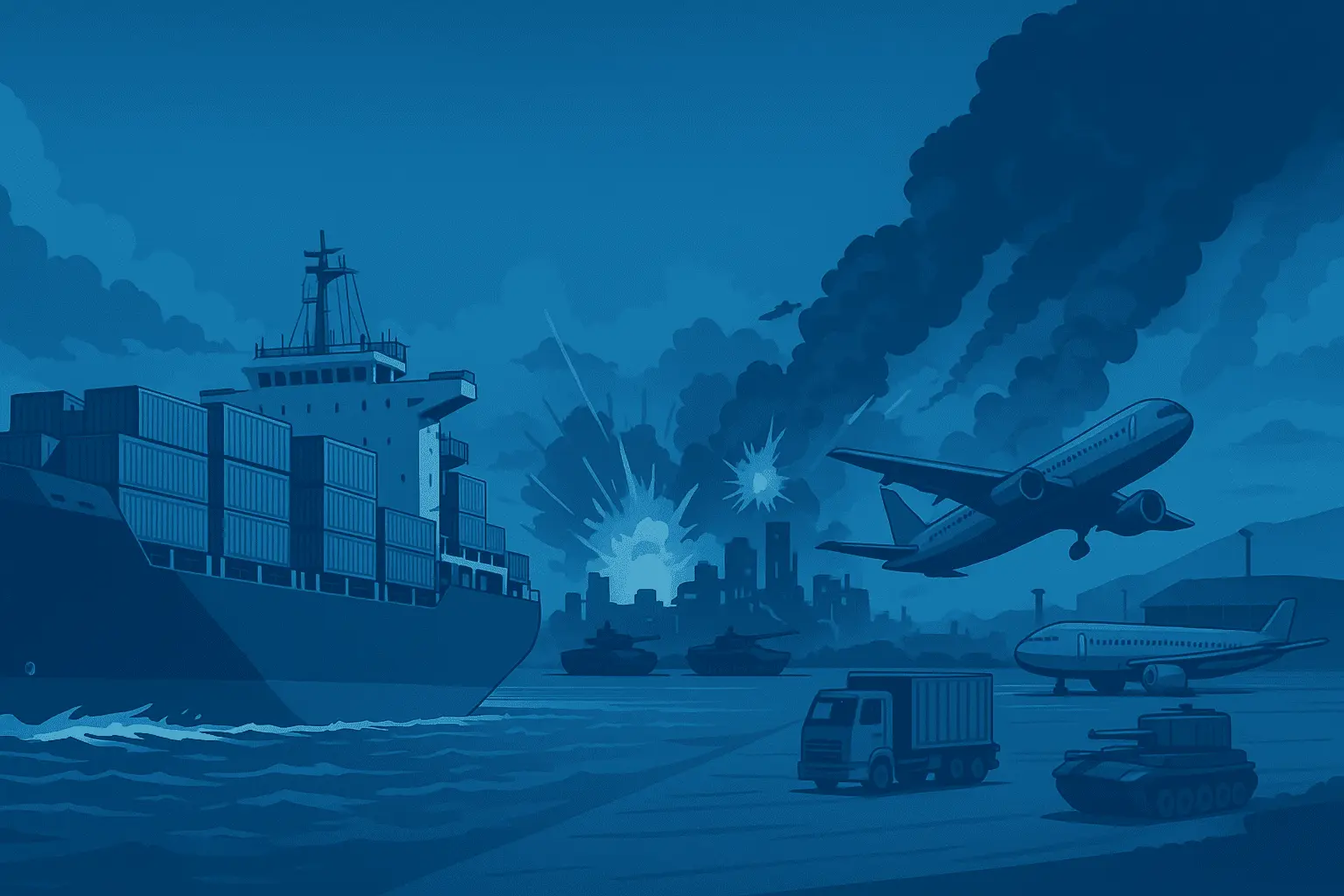
If a third world war begins, global logistics will face immediate and widespread disruption. Trade routes, labor forces, fuel supplies, and digital systems will all be affected. The world war logistics impact won’t be abstract—it will reshape how goods move worldwide.
Since today’s economy depends on tightly linked supply chains, even a small disruption can trigger a chain reaction. Therefore, understanding potential consequences helps companies prepare in advance.
Trade Routes Would Be Severely Disrupted
War often leads to the closure or militarization of major trade lanes. Canals, ports, and flight paths might become unsafe or off-limits. As a result:
- Ships and planes will need to reroute, increasing costs and delivery times
- Neutral ports could become congested with diverted cargo
- Border inspections might intensify, causing further delays
To explore current shipping vulnerabilities, visit the World Bank Logistics Index.
Fuel Supply Would Be Unstable
Armed conflicts usually target energy infrastructure. When fuel becomes scarce or redirected to military use, logistics companies face tough choices. For example:
- Transport costs may skyrocket due to fuel price surges
- Remote or underserved areas could experience delivery outages
- Companies will need to prioritize local sourcing and shorter routes
Because transportation relies heavily on fuel, even minor shortages will create ripple effects across industries.
Logistics Labor Will Be Harder to Secure
During wartime, many civilian workers are drafted, displaced, or unable to perform their roles safely. In the logistics sector:
- Driver and warehouse shortages will delay shipments
- Stress and burnout may lead to higher turnover
- On-site operations will require stronger safety protocols
To prevent service breakdowns, companies must build flexible staffing models and invest in cross-training.
Cyberattacks Will Target Supply Chains
Modern warfare doesn’t just happen on land, sea, or air—it also takes place in cyberspace. Supply chains, heavily reliant on digital infrastructure, are especially vulnerable to these invisible threats. During a global conflict, logistics systems could become prime targets for coordinated cyberattacks designed to disrupt global trade.
In such a scenario, GPS navigation may be jammed or manipulated, leading trucks or ships off course. Inventory tracking systems and warehouse software could be infected with malware, halting operations or causing serious delays. Even basic communication between suppliers and partners could break down, leaving businesses without visibility or control over their shipments.
These risks highlight the urgent need for secure digital platforms, redundant systems, and contingency protocols to maintain stability in the face of cyber threats.
Governments Would Restrict Trade
During a world war, most governments would take strong action. This could include:
- Bans on exporting key goods like food or medicine
- Seizing private transport or storage facilities
- Cancelling or changing trade deals overnight
Companies that depend on international goods would face major disruptions.
What Can Businesses Do?
The world war logistics impact would be massive—but the lesson is broader. Even in peace, supply chains are fragile. The key is to prepare before problems begin.
That’s why companies should focus on:
- Flexibility – to change suppliers or routes fast
- Decentralization – to avoid depending on one source or location
- Visibility – to track goods in real time, even during chaos
When systems break down, these three traits keep logistics moving.
EVO Logistics: Always Ready for the Unexpected
At EVO, we know that planning ahead makes the difference.
That’s why our logistics systems are built to adapt, stay secure, and respond fast. Whether it’s food, pharma, or ecommerce, we’re here to help businesses keep moving—even when the world is uncertain.
📍 See how EVO builds smart, flexible, and future-ready logistics solutions.
Centrally Located Cold Storage Solutions
Interested in learning about how our cold storage facilities can help your business? Reach out to our team today!
Get in touch with us today to learn more about how Evo Logistics’ climate controlled storage facilities can help your business thrive in the frozen storage logistics industry.
Our team understands the importance of being committed to ensuring the quality of our customer’s product is at its best throughout the shipping process. Our dedicated staff are trained to monitor and operate around the clock 24 hours a day, 365 days a year. With a focus on fast and timely delivery along with GPS tracking, we work to provide consistent satisfaction to our customers.
